Royal HouseofBharuch
Custodians of Heritage • Defenders of Faith
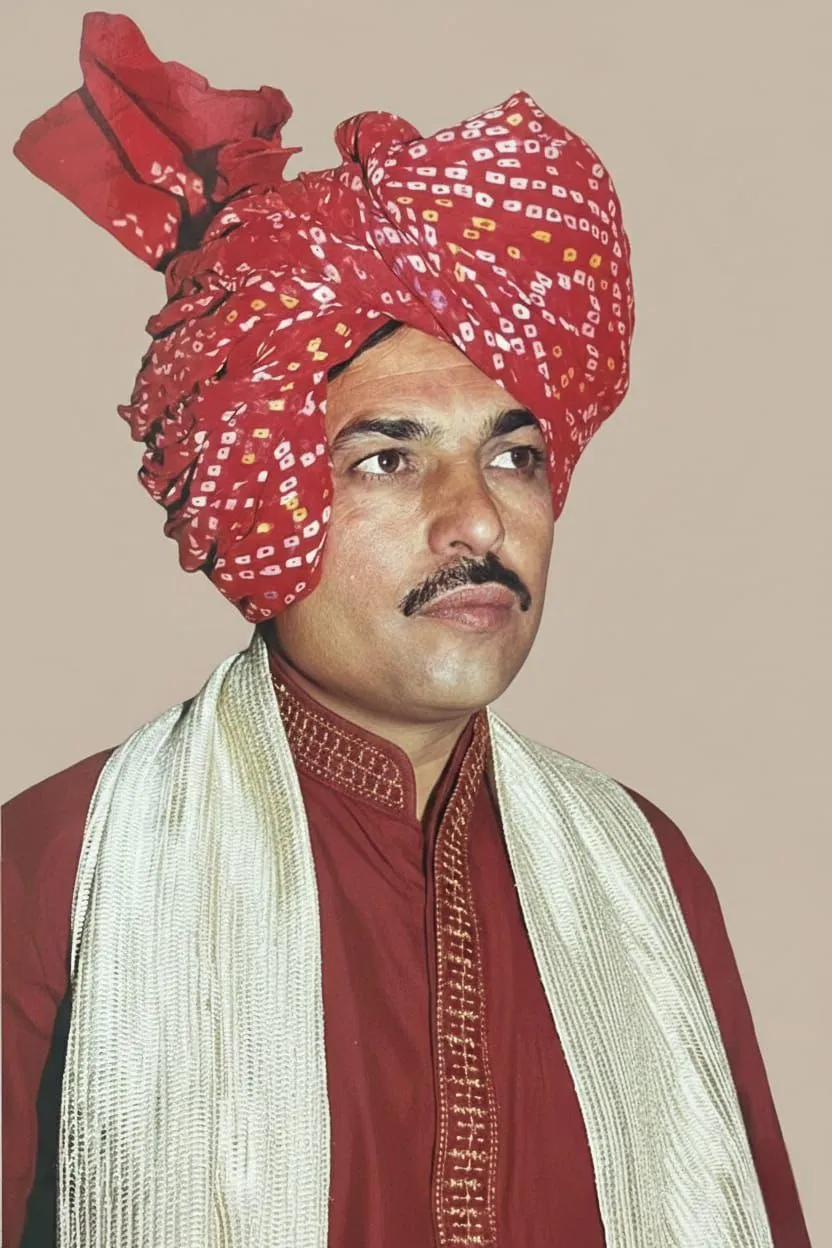
At the time of his formal recognition as Wali-Ahad (Crown Prince), 2004
Nawab of
Bharuch
As the Head of the Royal House of Bharuch, His Royal Highness upholds the legacy of generations with a focus on service, heritage, and continuity.
Though governance no longer defines the role, the Royal House remains dedicated to cultural preservation, charitable endeavors, and the welfare of the people, guided by tradition and responsibility.
House Announcements
Official Communications of the Royal House of Bharuch
History of the Nawabs
1726
Founder of the Nawabi House of Bharuch
In 1726, Nizam-ul-Mulk, Asaf Jah I, appointed Abdullah Beg as Faujdar (Governor) of Bharuch and granted him the noble title Nek Alam Khan. With the weakening of Mughal authority in Gujarat, Abdullah Beg exercised effective autonomy, laying the foundation of hereditary Nawabi rule in Bharuch. His appointment and title were officially recorded, marking the beginning of the Royal House of Bharuch.
1736
Second Nawab of Bharuch
Following the death of Abdullah Beg, his second son Mirza Beg ascended the throne and adopted the title Nek Alam Khan II. His reign coincided with increasing Maratha influence, yet Bharuch retained its political autonomy.
1740
Diplomacy with the Marathas
After the death of Bajirao Peshwa, Nek Alam Khan II arranged his cremation with full honours on the banks of the Narmada at Rawal Khedi, reflecting diplomatic prudence and regional balance.
1741
The Siege of Bharuch
Damaji Gaekwad laid siege to Bharuch. Nek Alam Khan II appealed to the Nizam, who declared Bharuch his personal possession. The siege was withdrawn, preserving Bharuch’s autonomy.
1748
The Royal Mint of Bharuch
With the permission of Emperor Ahmad Shah, a royal mint was established at Bharuch. Coins were struck in the city’s name — a formal symbol of sovereign authority.
1756-69
Restoration of Stability
Hamid Khan, the rightful heir, ascended the throne after a period of dispute. His reign restored stability, strengthened governance, and defended Bharuch against Maratha pressure, notably securing Jambusar in 1761.
1768-72
The Last Ruling Nawab
He developed Bharuch through wells, fountains and the famous Ahmed Bagh gardens. In 1771, after defeating British forces, he was honoured with a 19-gun salute in Bombay. In 1772, Bharuch Nawabi was lost due to the betrayal of Diwan Lallubhai.
1803+
Custodians of Heritage
The British recognised the family as Titular Nawabs, granting hereditary Wazifa (pensions) while preserving their noble status. The Royal House remained the custodian of Bharuch’s heritage and lineage.
Legacy
Preserving the Tradition
The descendants of the Nawabs of Bharuch continue as the Royal House of Bharuch, preserving history, heritage, titles, and cultural identity of one of Gujarat’s most distinguished noble houses.
Addresses & Documentaries
Tanzeem-e-Shahi
The Trust reflects the longstanding tradition of social responsibility, service, and public welfare upheld by the Royal House.
Tanzeem-e-Shahi is a charitable welfare Trust associated with the Royal House of Bharuch.
Tanzeem-e-Shahi works with a humanitarian approach, aiming to support communities through responsible and meaningful welfare initiatives. Its activities are guided by principles of compassion, dignity, and service to society.
Aim and Focus
The Trust aims to contribute positively to society with particular emphasis on:
Charitable and welfare support for the underprivileged
Promotion of education and learning initiatives
Support in healthcare and humanitarian assistance
Community welfare and social development programs
Tanzeem-e-Shahi functions under the guidance of the Head of the Royal House of Bharuch, maintaining a balanced approach between tradition, service, and contemporary social needs.
Connect With Us
Twitter (X)
@HouseOfBharuch
Facebook Page
/RoyalHouseBharuch
Facebook Group
Royal House Group
Instagram
@RoyalHouseBharuch
YouTube
Royal Archives
Official Updates • Royal Directives • Cultural Events